still life
Most of the great art, I find, seeks to remind us of the obvious. This is real, is all it says. Take the time to stop and appreciate more fully the things you already know. But we forget these things. They become less vivid. We have to return as we do to paintings, and face them again.
Patrick Bringley - All the Beauty in the World
I was having breakfast and looking at the bouquet on the kitchen counter. I don’t believe I was thinking about anything. And that could be why I noticed the movement; maybe if I’d been preoccupied with something else, if the kitchen hadn’t been quiet, if I hadn’t been alone in there, I wouldn’t have been attentive enough. But I was alone, and calm, and empty. So I was able to take it in. There was a little sound, a sort of quivering in the air that went, “shhhh” very very very quietly: a tiny rosebud on a little broken stem that dropped onto the counter. The moment it touched the surface it went “puff,” a “puff” of the ultrasonic variety, for the ears of mice alone, or for human ears when everything is very very very silent. I stopped there with my spoon in the air, totally transfixed. It was magnificent. But what was it that was so magnificent? I couldn’t get over it: it was just a little rosebud at the end of a broken stem, dropping onto the counter. And so? I understood when I went over and looked at the motionless rosebud where it had fallen. It’s something to do with time, not space. Sure, a rosebud that has just gracefully dropped from the flower is always lovely to look at. It’s so artistic: you could paint them over and over! But that doesn’t explain the movement. The movement . . . and we think such things are spatial. In the split second while I saw the stem and the bud drop to the counter I intuited the essence of Beauty. Yes, here I am, a little twelve-and-a-half-year-old brat, and I have been incredibly lucky because this morning all the conditions were ripe: an empty mind, a calm house, lovely roses, a rosebud dropping. And that is why I thought of Ronsard’s poem, though I didn’t really understand it at first: because he talks about time, and roses. Because beauty consists of its own passing, just as we reach for it. It’s the ephemeral configuration of things in the moment, when you can see both their beauty and their death. Oh my gosh, I thought, does this mean that this is how we must live our lives? Constantly poised between beauty and death, between movement and its disappearance? Maybe that’s what being alive is all about: so we can track down those moments that are dying.
Muriel Barbery - The Elegance of the Hedgehog
All truths wait in all things, They neither hasten their own delivery nor resist it, They do not need the obstetric forceps of the surgeon, The insignificant is as big to me as any, What is less or more than a touch?
Walt Whitman, Leaves of Grass
We do not lack anything, we already are what we want to become, and our striving just comes to a halt. We are at peace in the present moment, just seeing the sunlight streaming through our window or hearing the sound of the rain. We don't have to run after anything. We can enjoy every moment. People talk about entering nirvana, but we are already there
Thich Nhat Hanh, The Heart of the Buddha's Teaching
The soul that ascends to worship the great God is plain and true; has no rose-color, no fine friends, no chivalry, no adventures; does not want admiration; dwells in the hour that now is, in the earnest experience of the common day — by reason of the present moment and the mere trifle having become porous to thought, and bibulous of the sea of light.
Ralph Waldo Emerson, The Over-Soul
images
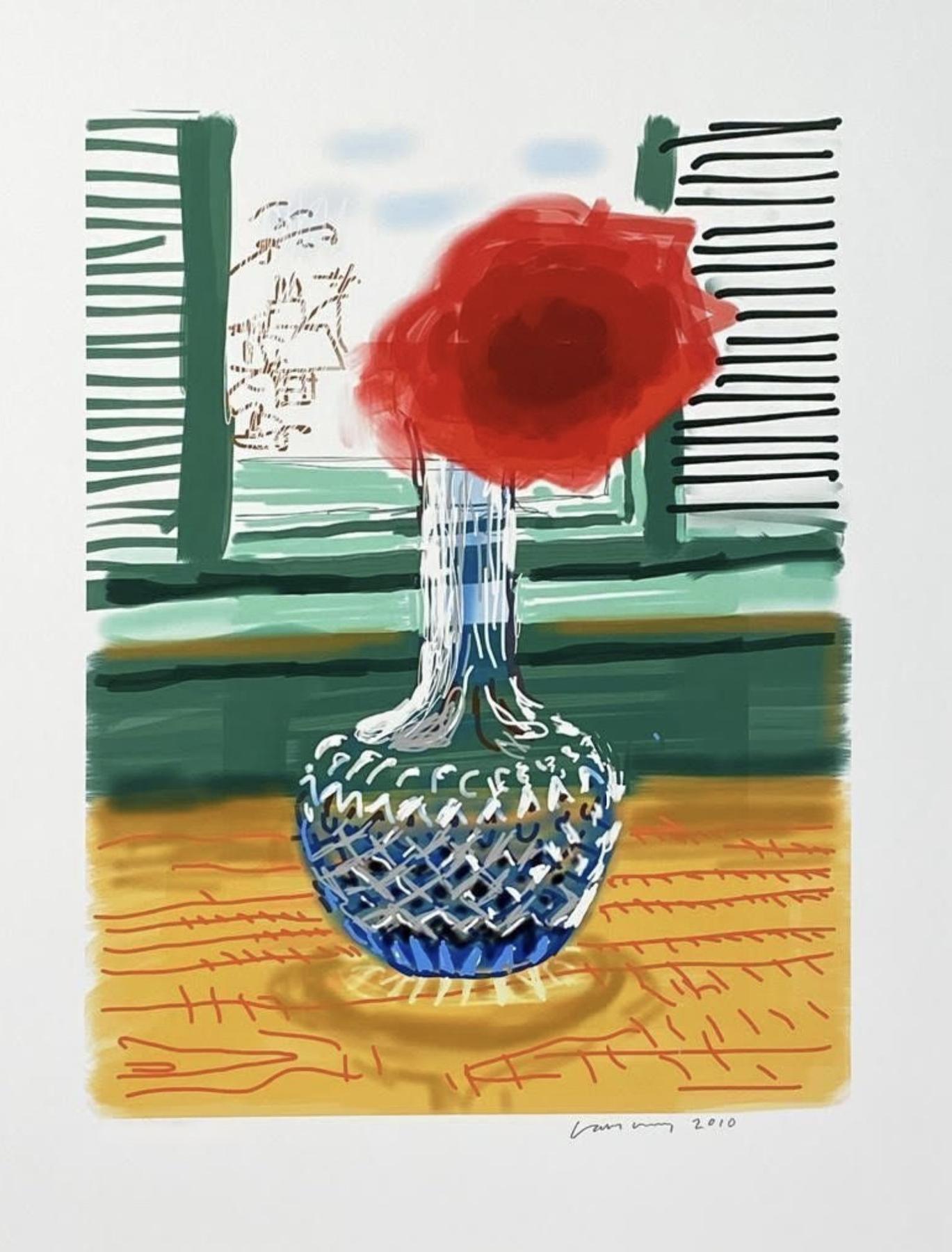
David Hockney, My Window No. 281, 2010
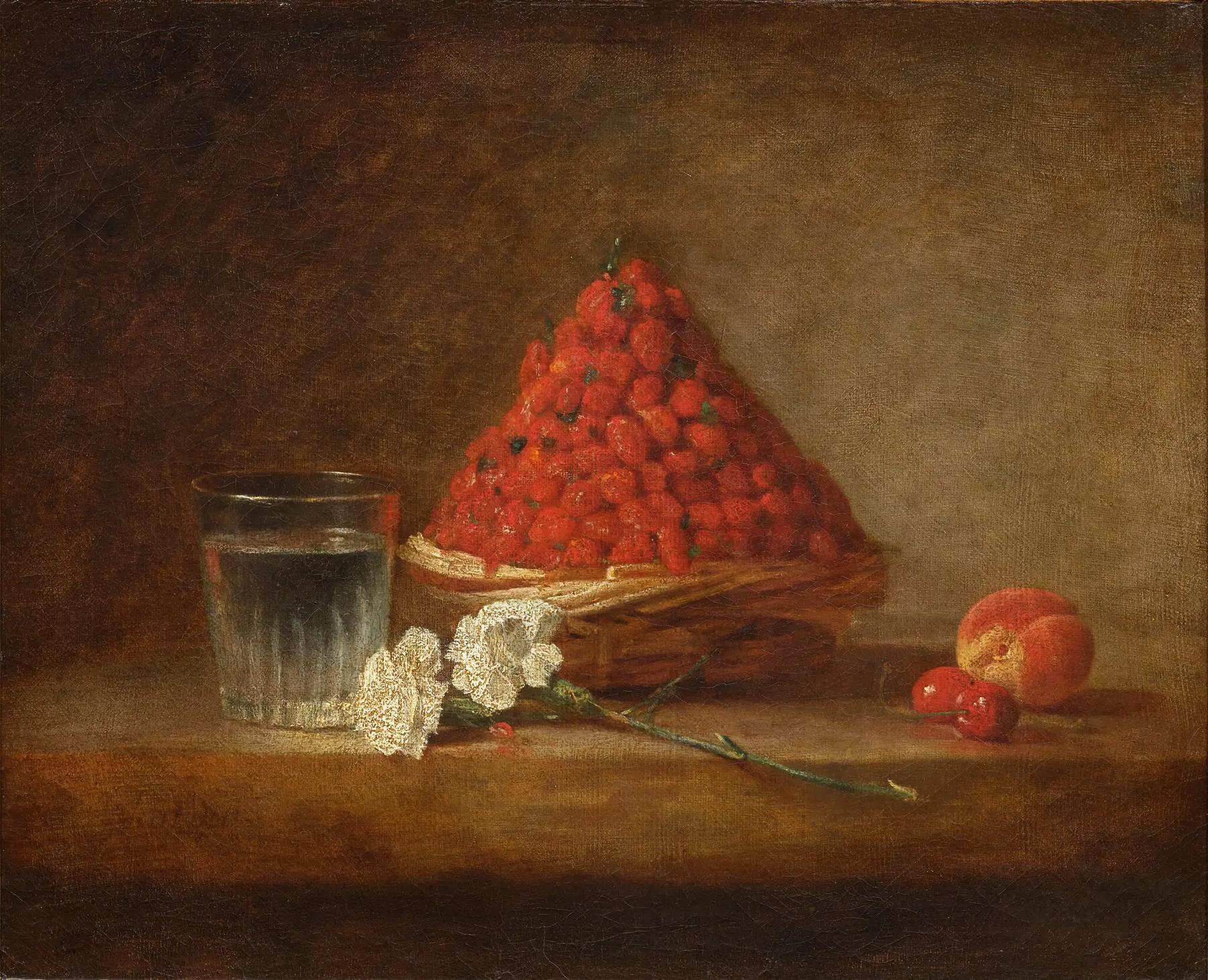
Jean Simeon Chardin, Basket of Wild Strawberries, 1761
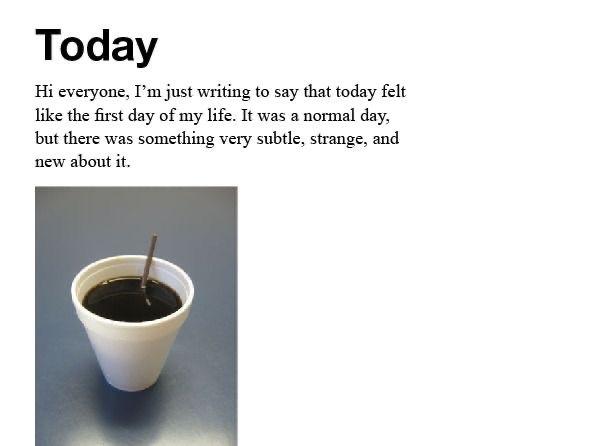
via iFunny, 2020
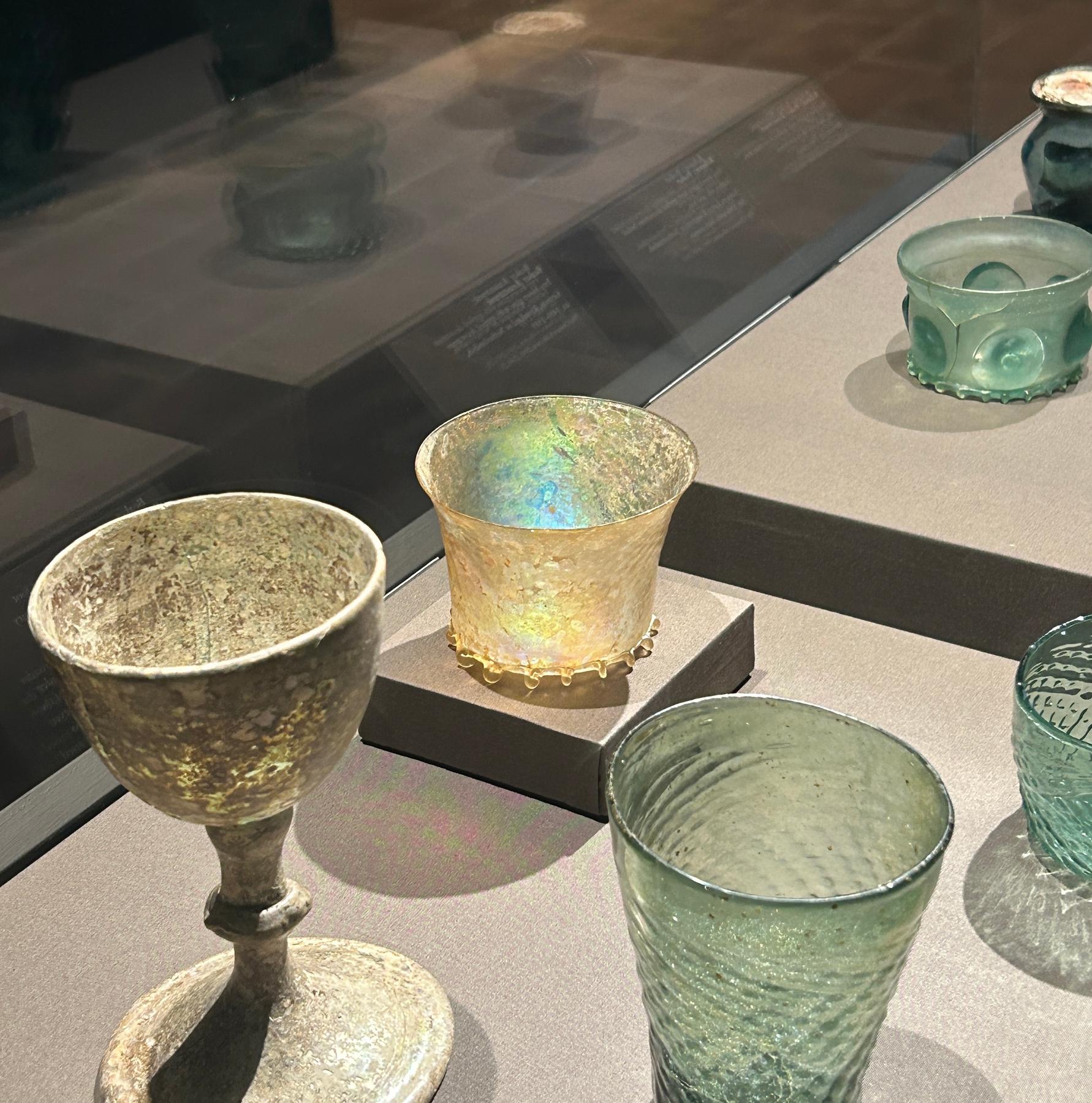
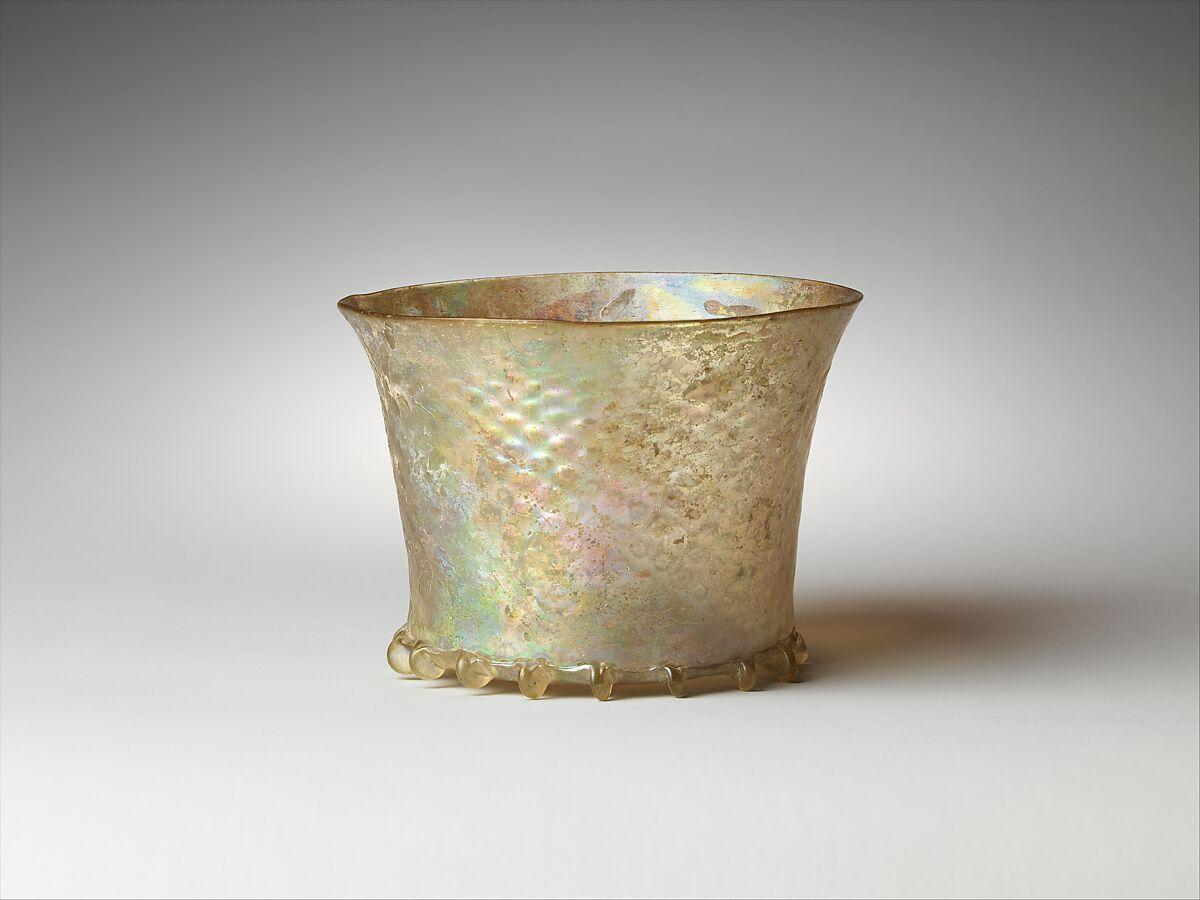
French glass beaker, late 13th or early 14th century
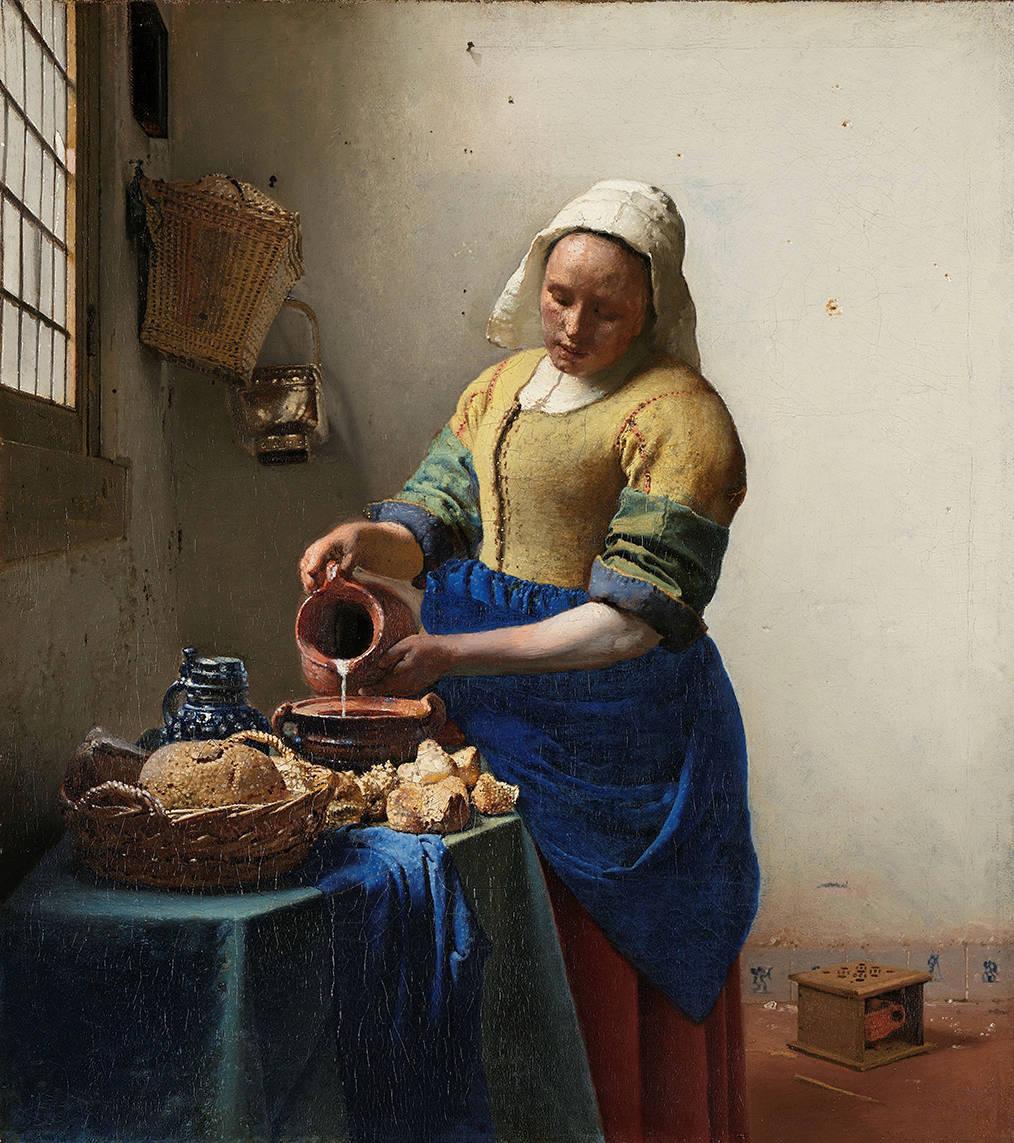
Johannes Vermeer, The Milkmaid, 1658
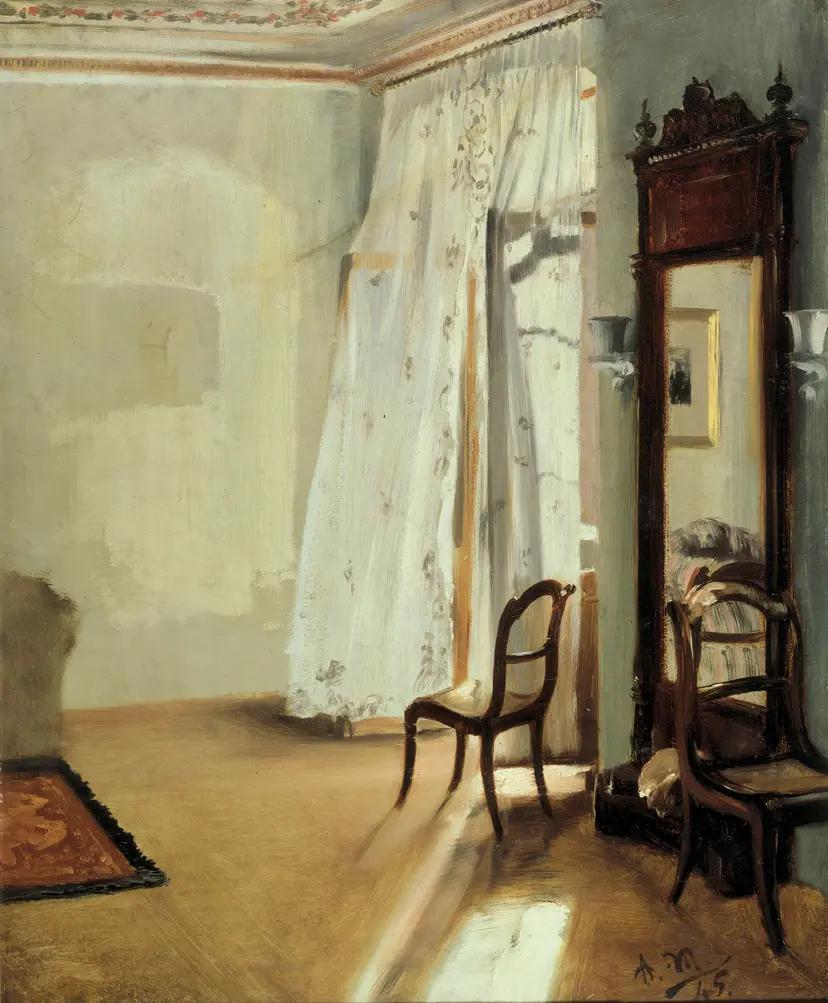
Adolph Menzel, Balkonzimmer, 1845
powered by are.na